
Maintained by the Non-Owner Car Insurance Quotes editorial team · Lead editor Kevin Ryan · Reviewed
Answer in brief
A non-owner policy is liability coverage for a driver who does not own a car—it follows you into borrowed, rented and shared vehicles and pays for damage you cause to others, usually after the car owner's insurance. It typically costs $200–$600 a year with a clean record. It is the standard way to file an SR-22 without a car, the sensible way to avoid a coverage gap between cars, and a useful supplement for people who rent, borrow or car-share often. It never covers damage to the car you are driving. Few insurers compete for this niche, so comparing matters more than usual.
Non-owner car insuranceLiability that follows the driverSR-22 without a vehicleContinuous coverage between cars
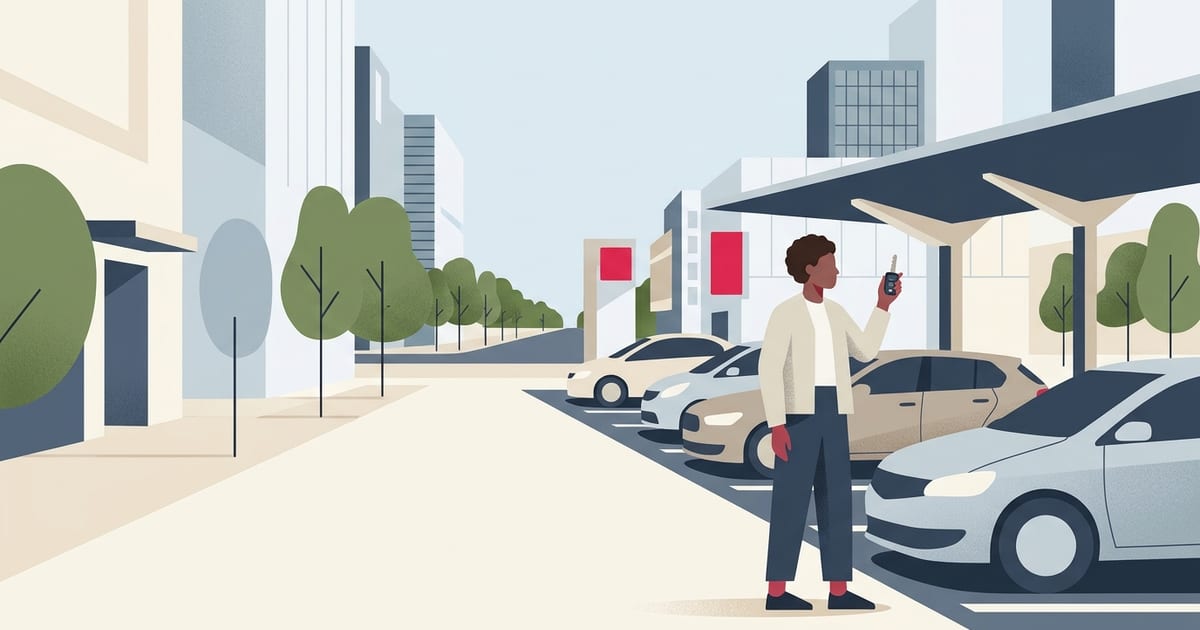
The idea in one paragraph
Standard auto insurance attaches to a car. A non-owner policy attaches to a person. When you drive someone else's car, their policy pays first; yours pays if the damage runs past their limits or if they turn out to be uninsured. There is no collision or comprehensive because there is no car of yours to repair.
How to use this guide
- 1
Basics
What it is and who needs it.
- 2
Price
Cost.
- 3
Specific uses
- 4
Buy
Start with the right guide
Each guide covers one decision in the non owner car insurance quotes journey. Read them in order or jump to the one that matches your situation.
Guide
What Non-Owner Car Insurance Is
Non-owner car insurance explained: liability coverage for drivers who do not own a car, what it includes and excludes, and how it works with the car owner's policy.
Guide
Who Needs Non-Owner Car Insurance
The situations where a non-owner policy makes sense: frequent borrowers, drivers maintaining coverage history, SR-22 filers without a car, and people between cars.
Guide
How Much Non-Owner Car Insurance Costs
Typical non-owner policy premiums by driver profile, why it is cheaper than a standard policy, and what raises the price.
Guide
Non-Owner SR-22 Insurance
How to meet an SR-22 or FR-44 filing requirement without owning a car, what the filing does, how long it lasts, and what happens if the policy lapses.
Guide
Non-Owner Insurance vs Rental Car Insurance
How a non-owner policy compares with the rental counter's liability supplement and damage waiver, and with credit-card rental coverage.
Guide
Insurance When You Borrow Someone Else's Car
How coverage works when you drive a friend's or relative's car—permissive use, whose policy pays, what happens on a claim, and when you should be listed instead.
Practical entries
Shorter, specific answers that sit inside the guides above.
Selling Your Car and Not Replacing It Yet? Avoid the Coverage Gap
Why a lapse in coverage raises future premiums, how long a gap matters, and how a short non-owner policy bridges it.
Non-Owner SR-22 vs. FR-44: Statutory Rules, Limits, and Filings
Understand the differences between non-owner SR-22 and FR-44 insurance certificates, mandatory liability limits, filing durations, and reinstatement rules.
Whose Insurance Pays After an Accident in a Borrowed Car?
Discover how primary and secondary insurance interact when you crash a borrowed car, how permissive use operates, and why non-owner coverage protects your assets.
How Insurers Calculate Non-Owner Car Insurance Rates
Learn how insurance companies price non-owner car insurance, which driver rating factors matter most, and how to shop quotes to lower your annual premium.
What Happens If Your Non-Owner SR-22 Policy Lapses?
Learn what happens when a non-owner SR-22 policy lapses, how state licensing agencies react, and the exact steps to reinstate coverage and restore your license.
Quote finder
Compare non owner car insurance quotes quotes for your situation
Questions & answers
What is non-owner car insurance?
Liability coverage for a driver who does not own a car. See what it is.
How much does it cost?
Typically $200–$600 a year with a clean record. See cost.
Can I file an SR-22 without a car?
Yes, with a non-owner SR-22 policy. See SR-22.
Does it cover the car I borrow?
No—only your liability to others. See borrowing cars.
Sources and references
Legal figures on this page (minimum limits, filing periods, statutory benefits) are checked against the primary law or the state insurance regulator listed below. Links and figures last verified Nov 2026.
- Automobile financial responsibility limits by state — Insurance Information Institute (2023)Statistical dataCompulsory coverages and minimum liability limits by state (table dated December 2023 — several states have raised limits since; see statute entries).
- What is covered by a basic auto insurance policy? — Insurance Information InstituteConsumer guidanceDefines bodily injury and property damage liability, MedPay, PIP, uninsured/underinsured motorist, collision, comprehensive and glass coverage.
- Nine ways to lower your auto insurance costs — Insurance Information InstituteConsumer guidanceShop at least three quotes; raising a deductible from $200 to $500 can cut collision/comprehensive cost 15–30%, $1,000 can save 40%+; drop physical damage on cars worth under 10× the premium; bundling, low-mileage and good-student discounts.
- Consumer insurance information — National Association of Insurance CommissionersConsumer guidancePlain-language guides from the body of state insurance regulators; links to every state's insurance department and complaint process.
Practical guidance on this page is original editorial work. Cited sources support factual statements and do not endorse this site. Dollar ranges described as typical or illustrative are editorial estimates, not figures from these sources.
From the blog
Commentary, rate-trend notes and reader questions.